

Understanding DoT and DoH (DNS over TLS vs. DNS over HTTPS)
As more and more of our data is being transferred over the Internet, protecting it from third-party...

Understanding BGP: A Comprehensive Guide for Beginners
Border Gateway Protocol (BGP) plays a crucial role in directing data between different networks. If you’re new to the topic,...

What is SMTP Smuggling? How to detect and prevent it?
Email remains a critical communication tool, both personally and professionally. While it is essential for modern communication, it also...
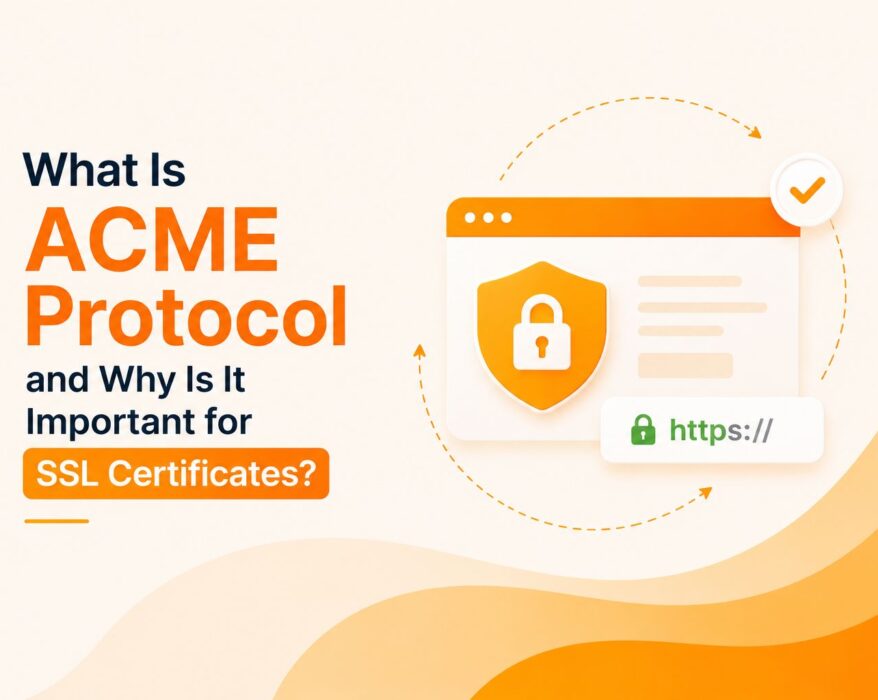
What Is ACME Protocol and Why Is It Important for SSL Certificates?
Website security has become a fundamental requirement rather than an optional feature. Whether...
SFTP Fundamentals: A Deep Dive into Secure File Transfer Protocol
In a world where data is constantly in motion – whether you’re sending files to cloud servers, collaborating with remote teams, or...

OSPF (Open Shortest Path First): What It Is and How It Works
OSPF (Open Shortest Path First) is one of the most widely used routing protocols in modern IP networks. Designed to efficiently direct...
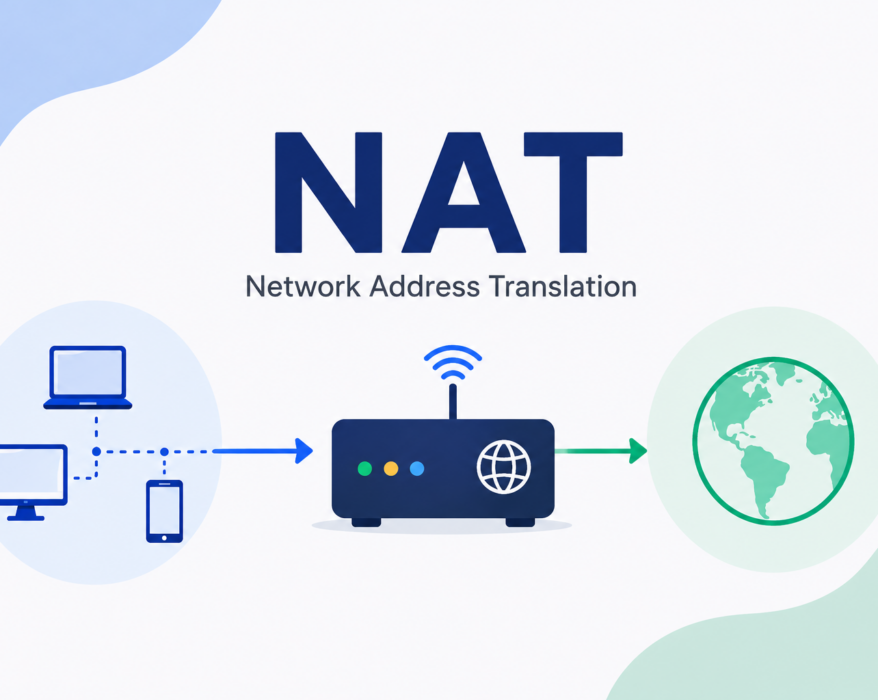
NAT (Network Address Translation): How It Works and Why It Matters
NAT (Network Address Translation) plays a major role in how devices connect to the Internet today....

What is ICMP (Internet Control Message Protocol)?
The ICMP (Internet Control Message Protocol) is a network layer protocol and also a supporting protocol in the Internet protocol suite. It...
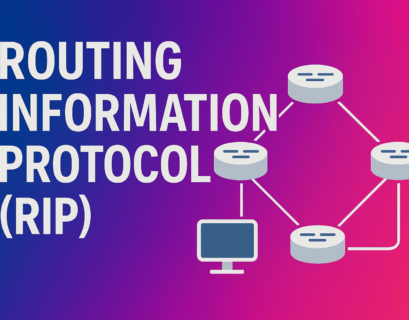
Routing Information Protocol: Explaining One of the Oldest Routing Protocols
Routing Information Protocol (RIP) is one of the first dynamic routing protocols ever developed. While it’s no longer the top choice...

What is VoIP and How Does It Work?
VoIP has quietly transformed the way people communicate. Thanks to it, voice calls can travel over...