
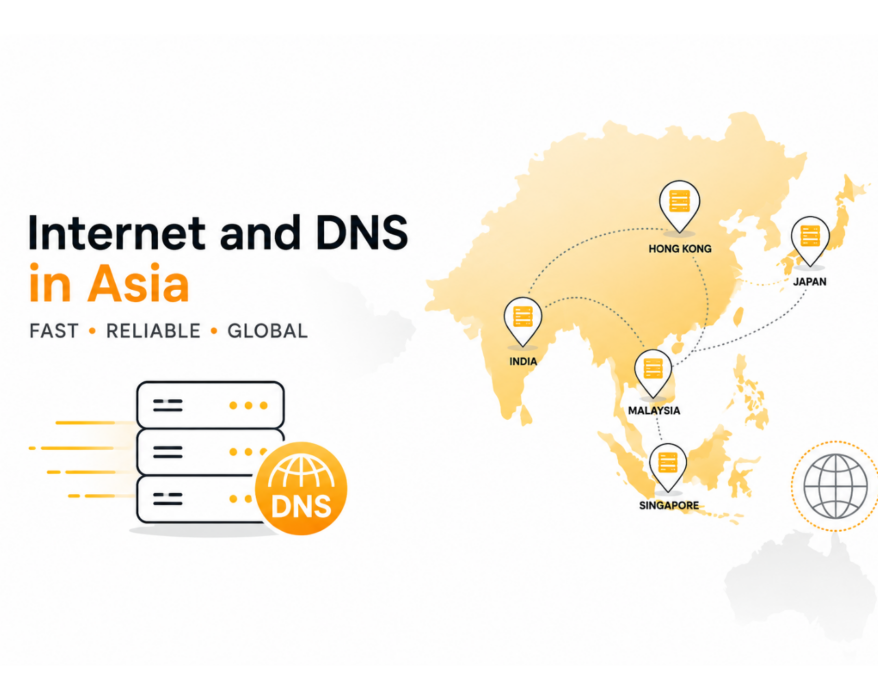
Internet and DNS in Asia (Singapore, Hong Kong, Malaysia and more)
Let’s take a digital journey through Asia and examine the Internet and Domain Name System...

Magento, is it a good e-commerce platform?
Choosing the right e-commerce platform is one of the most important decisions any online retailer will make. With the continued rise of...
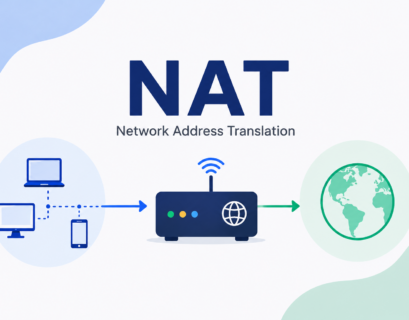
NAT (Network Address Translation): How It Works and Why It Matters
NAT (Network Address Translation) plays a major role in how devices connect to the Internet today. Even if you have never heard the term...

What is ICMP (Internet Control Message Protocol)?
The ICMP (Internet Control Message Protocol) is a network layer protocol and also a supporting...

Understanding Phishing Attack and How to Stay Protected
In today’s digital age, the internet has become an integral part of our daily lives, enabling us to connect, shop, and conduct...

Understanding the HTTP status codes
Any now and then, when we are browsing the internet, we get one of those – error 500 or error 404. What does this number mean? How many...

Single Point of Failure (SPOF): How to Identify and Eliminate It?
The risk of a Single Point of Failure (SPOF) has become a critical concern in interconnected modern...

R.U.D.Y. (R U Dead Yet) Attack Explained
In the ever-evolving landscape of cybersecurity, new threats constantly emerge, challenging the robustness of online systems. One such...
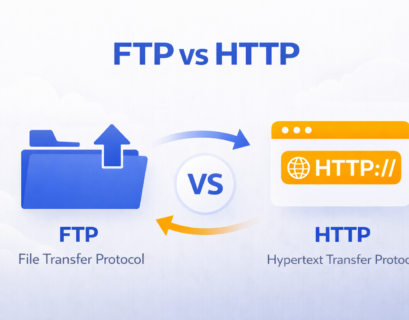
FTP vs HTTP: Understanding the Key Differences
Today we will see what exactly is FTP (File Transfer Protocol) and how does it compare to the newer protocol called HTTP (Hypertext...

Telnet Explained: What Is It and How It Works?
In the world of computing and networking, Telnet has been an essential tool for connecting...