For years, SSL certificates have been essential for securing websites, protecting user data, and building trust online. But the way these certificates are issued and renewed is evolving. The industry is moving toward shorter certificate lifetimes, which means SSL certificates may soon need to be renewed much more frequently than before. These changes are designed to improve internet security, but they will also affect how website owners manage their certificates. In this article, we’ll explain what SSL certificates are, why they matter, and most importantly, what the new SSL Certificate renewal rules mean for your website.
Table of Contents
What Is an SSL Certificate?
An SSL certificate is a digital certificate that enables encrypted communication between a website and its visitors. When someone visits a website protected by SSL, the data exchanged between their browser and the server is encrypted. This prevents third parties from intercepting sensitive information such as login credentials, personal data, or payment details.
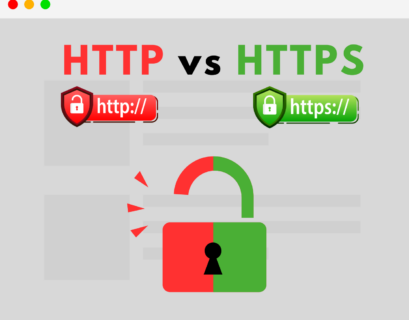
Websites with SSL certificates use HTTPS instead of HTTP, and browsers display a padlock icon in the address bar to indicate a secure connection.
HTTP vs HTTPS: Why every website needs HTTPS today
SSL certificates are issued by trusted organizations known as Certificate Authorities (CAs). These authorities verify the identity of the website owner before issuing the certificate.
In simple terms, SSL certificates help ensure that users are communicating with the legitimate website and that their data remains protected.
Why SSL Certificates Are Important for Website Security
Today, SSL certificates are no longer optional. They have become a standard requirement for modern websites. Without SSL encryption, data transmitted between users and websites could be exposed to attackers. This could lead to data theft, account compromise, or other security risks.
SSL certificates provide several important protections:
- Encryption that keeps sensitive information private
- Authentication that confirms the identity of the website
- Data integrity to prevent information from being modified during transmission
In addition to security benefits, SSL certificates also affect how browsers and search engines treat websites. Most browsers label sites without HTTPS as “Not Secure,” which can discourage visitors from continuing to the site.
Search engines also consider HTTPS as a ranking signal, making SSL an important part of both security and SEO.
Suggested to read: DNS and SEO: How does DNS service affect SEO?
Current SSL Certificate Validity Period
As of today, the maximum validity period for publicly trusted SSL/TLS certificates is 398 days.
This limit was introduced in September 2020, when major browser vendors reduced it from the previous maximum of 825 days.
The goal of this change was to ensure that certificates are renewed more frequently and that outdated or compromised certificates do not remain valid for long periods.
Website owners must renew their certificates before expiration to maintain a secure HTTPS connection.
The New SSL Certificate Renewal Rules
In April 2025, the CA/Browser Forum approved a proposal to gradually shorten the maximum validity period for SSL/TLS certificates.
Instead of introducing one immediate change, the new rules will be implemented in multiple stages over several years.
The timeline for the new maximum certificate lifetimes is as follows:
| Effective Date | Maximum Certificate Validity |
| Until March 15, 2026 | 398 days |
| Starting March 15, 2026 | 200 days |
| Starting March 15, 2027 | 100 days |
| Starting March 15, 2029 | 47 days |
These limits apply to newly issued SSL certificates after the specified dates. Certificates issued before a deadline will remain valid until their normal expiration date.
This means that by March 2029, publicly trusted SSL certificates will have a maximum lifetime of 47 days, requiring significantly more frequent renewals.
Why the Industry Is Moving Toward Shorter SSL Lifetimes
Shorter certificate lifetimes may seem inconvenient at first, but they provide important security advantages.
One of the biggest benefits is limiting the impact of compromised certificates. If a certificate or private key is exposed, a shorter validity period reduces the time it can be abused.
Shorter lifetimes also encourage better certificate management practices, pushing organizations to rely less on manual processes and more on automated systems.
Another factor is the increasing availability of automation tools that make frequent renewals much easier to handle.
Instead of manually renewing certificates once a year, many organizations already use automated systems that renew certificates automatically before they expire.
How These Changes Will Affect Website Owners
If SSL certificate lifetimes are reduced to 90 days, website owners will need to rethink how they manage their certificates. For small websites with a single domain, renewing certificates several times per year may still be manageable. However, organizations that operate multiple websites, services, or subdomains may face a much larger challenge. Without proper SSL monitoring and automation, the risk of expired certificates increases significantly.
An expired SSL certificate can cause:
- Security warnings in browsers
- Interrupted services or blocked access
- Loss of user trust
For this reason, proactive certificate management will become increasingly important.
How to Prepare for the New SSL Renewal Rules
The best way to prepare for potential changes is to modernize your SSL management strategy now. Website owners should start by reviewing how their certificates are currently issued, monitored, and renewed.
Key steps to consider include:
- Tracking certificate expiration dates
- Using monitoring tools that alert you before certificates expire
- Implementing automated renewal solutions
- Working with reliable SSL providers or hosting platforms
Preparing early will make it much easier to adapt if the industry officially moves to shorter certificate lifetimes.
Automating SSL Certificate Renewals
Automation is quickly becoming the standard approach to managing SSL certificates.
Modern tools and protocols allow servers to automatically request, install, and renew certificates without manual intervention.
One of the most widely used technologies for this is the ACME protocol, which enables automated certificate issuance and renewal.
With automation in place, certificates can be renewed automatically before they expire, ensuring continuous website security without the risk of human error.
For organizations managing multiple domains, automated SSL management can dramatically simplify certificate administration.
Frequently Asked Questions About SSL Certificate Renewal Rules
Question: Why are SSL certificate lifetimes getting shorter? – Certificate lifetimes are being shortened to improve internet security. Shorter validity periods reduce the risk of compromised or outdated certificates being trusted for too long and encourage more frequent updates and validation.
Question: Will existing certificates be affected? – No. Certificates that are already issued will remain valid until their expiration date. The new lifetime limits apply only to certificates issued after the new rules take effect.
Question: Do all SSL certificates follow the same rules? – Yes. The lifetime limits apply to all publicly trusted SSL certificates, including DV, OV, and EV certificates issued by Certificate Authorities and trusted by browsers.
Question: Can SSL certificate renewal be automated? – Yes. Many systems support automated certificate renewal using protocols like ACME, allowing certificates to renew automatically before they expire and reducing the risk of downtime.
Conclusion
SSL certificates are a fundamental part of internet security, and the rules surrounding them continue to evolve. The potential move toward shorter certificate lifetimes and more frequent renewals is designed to improve security and reduce risks across the web.
While these changes may require adjustments for website owners, modern automation tools make it easier than ever to manage SSL certificates efficiently. By staying informed and preparing early, organizations can ensure their websites remain secure, trusted, and ready for the future of web security.