
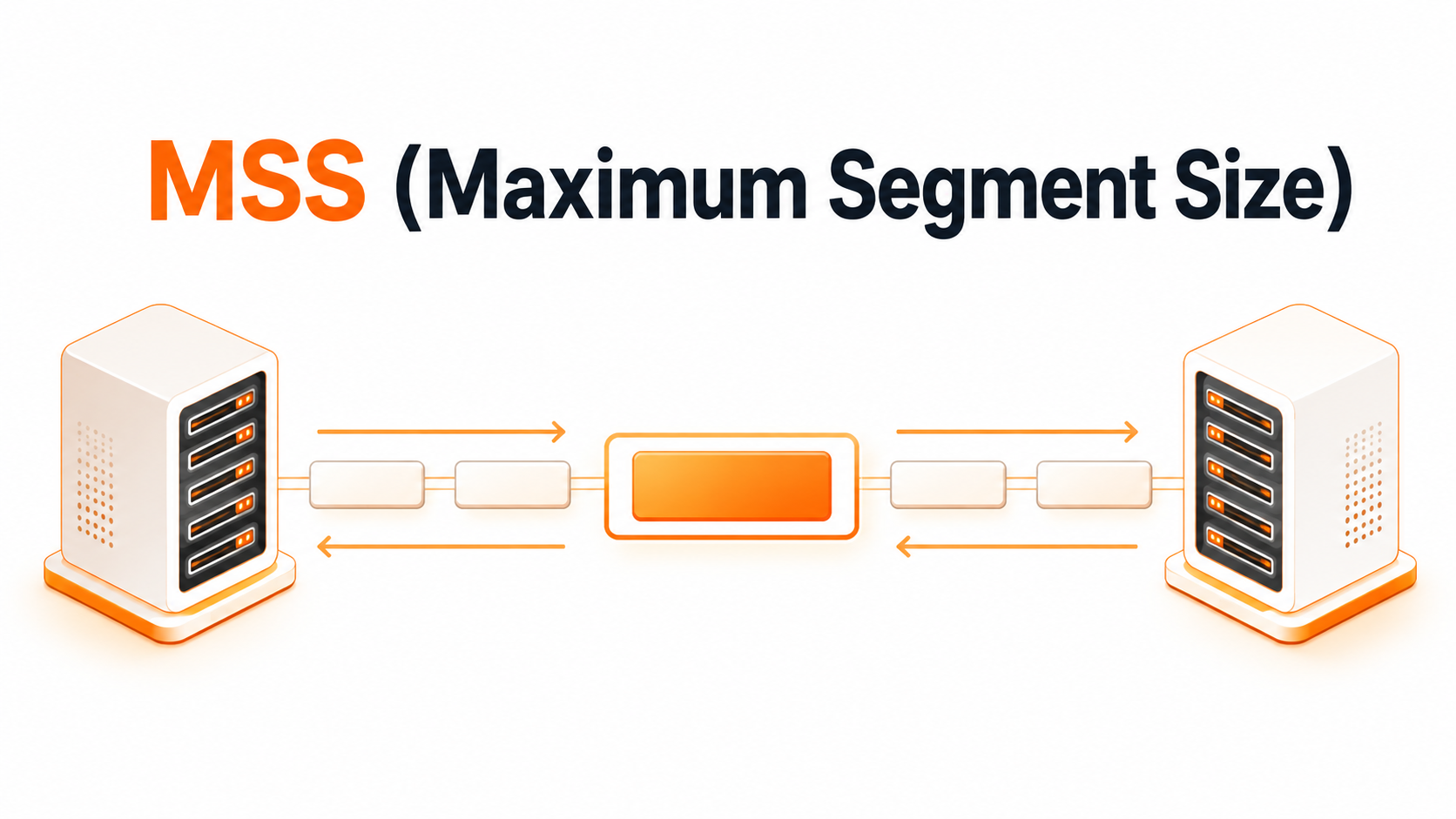
MSS (Maximum Segment Size): What It Is and How It Works
MSS (Maximum Segment Size) is the largest amount of application data that a device can place inside...

DNS Tunneling attack – What is it, and how to protect ourselves?
DNS Tunneling attack turns the Domain Name System (DNS), a highly trusted and widely used system on the Internet, into a weapon for...


Understanding BGP: A Comprehensive Guide for Beginners
Border Gateway Protocol (BGP) plays a crucial role in directing data between different networks. If...
MTU (Maximum Transmission Unit): What It Means and How It Works
MTU (Maximum Transmission Unit) is the largest amount of data that can travel in a single network packet without being split into smaller...

OSPF (Open Shortest Path First): What It Is and How It Works
OSPF (Open Shortest Path First) is one of the most widely used routing protocols in modern IP networks. Designed to efficiently direct...
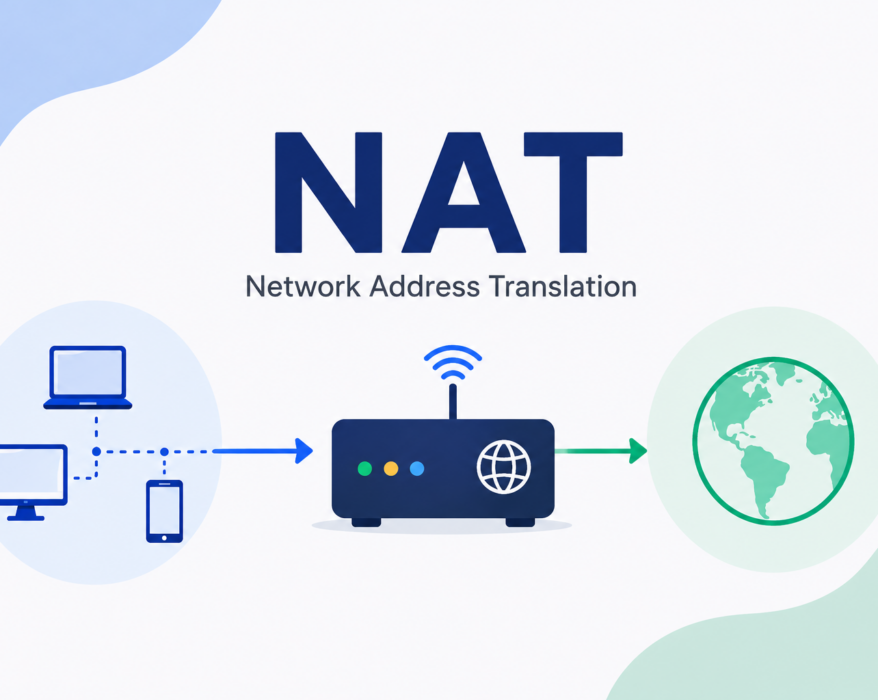
NAT (Network Address Translation): How It Works and Why It Matters
NAT (Network Address Translation) plays a major role in how devices connect to the Internet today....

Webhook Basics: Automate with Ease
Webhook is an amazing technology that facilitates seamless communication between different applications and services. It offers an...

What is ICMP (Internet Control Message Protocol)?
The ICMP (Internet Control Message Protocol) is a network layer protocol and also a supporting protocol in the Internet protocol suite. It...
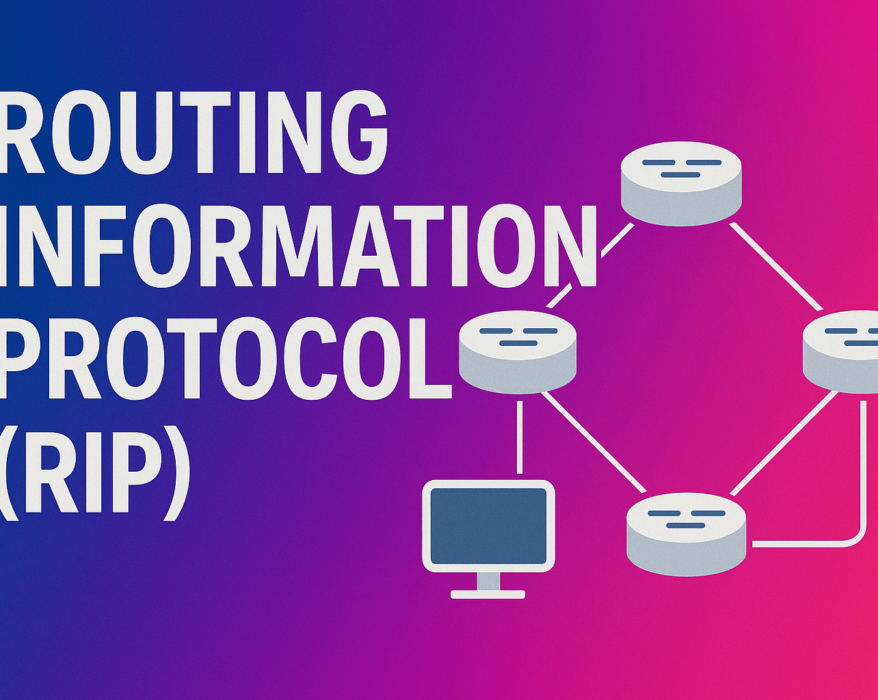
Routing Information Protocol: Explaining One of the Oldest Routing Protocols
Routing Information Protocol (RIP) is one of the first dynamic routing protocols ever developed....